

Table of Contents
In the world of electrical engineering, precision and reliability are essential for ensuring systems work as they should. One key component often overlooked in the realm of power distribution is the resin cast current transformer (CT). These transformers play a pivotal role in measuring and monitoring electrical currents, helping to protect and maintain the integrity of power systems. But like any crucial piece of equipment, proper maintenance is the key to ensuring they last and perform at their best.
Let’s conquer the art of maintaining resin cast current transformers: a blend of technical knowledge, a little care, and the right products.
What are Resin Cast Current Transformers?
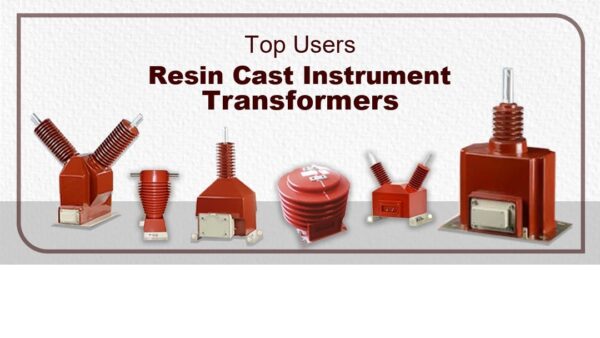
Resin cast current transformers are sophisticated devices used to measure high electrical currents and convert them into a manageable outputs for monitoring, control, and protection purposes.
These transformers are encased in resin, making them robust and resistant to external elements. The resin casing protects the internal components, making the resin cast current transformers ideal for harsh environments, such as power plants, substations, and industrial applications.
What Makes Resin Cast Current Transformers So Special?
- Durability: The resin casing offers superior insulation and protection against moisture, dust, and even corrosion.
- Compactness: Resin cast current transformers are designed to be compact and easy to install in tight spaces without compromising on performance.
- Accuracy: They offer highly accurate current measurements, which are essential for monitoring electrical systems.
- Safety: Since they are insulated by resin, there is a lower risk of electrical faults and mishaps.
When you think of the best resin cast current transformers, one name stands out: Gemini Instratech. Their reputation for producing cutting-edge, durable, and reliable resin cast current transformers makes them a go-to choice for engineers and technicians worldwide.
The Art of Maintaining Resin Cast Current Transformers
While resin cast current transformers are known for their strength and resilience, regular maintenance is still necessary to ensure they continue to perform optimally. Maintenance doesn’t just prevent failure; it also maximizes the lifespan of the transformer, preventing unnecessary repairs and downtime.
Here’s how you can ensure your resin cast current transformers stay in top condition:
1. Regular Inspections
- Visual Checks: Look for any cracks, chips, or visible damage to the resin. Any external breakages might expose the internal components to environmental stress.
- Cleanliness: Dust, dirt, or moisture can cause issues. Use a soft, dry cloth to wipe down the surface, ensuring no debris gets trapped in the transformer.
- Check for Discoloration: Any unusual discoloration of the resin may indicate overheating or potential faults.
2. Electrical Testing
- Insulation Resistance Test: Ensure that the resin continues to provide effective insulation. A drop in insulation resistance might suggest deterioration or internal damage.
- Ratio Test: Conduct a CT ratio test to verify the accuracy of the current transformer. A significant deviation could mean it’s time for recalibration or replacement.
- Check for Load and Burden Compatibility: Ensure the CT is running within its designated current ratings to avoid overloading.
3. Environmental Factors
- Monitor Temperature: Excessive heat can affect the resin’s insulation properties. Ensure that your CTs are not placed in areas prone to high temperatures or extreme fluctuations.
- Protection from External Elements: If your CTs are installed outdoors or in harsh environments, make sure they are adequately shielded from rain, dust, and corrosive elements.
4. Periodic Cleaning
- Keep Ventilation Clear: Proper airflow helps maintain the temperature balance inside the CT casing. Clear out any obstructions around the transformer.
- Use Safe Cleaning Agents: When cleaning, avoid harsh chemicals that could damage the resin. Stick to mild cleaning solutions and soft tools to preserve the casing.
5. Scheduled Maintenance by Experts
Even with the best practices, it’s crucial to have the resin cast current transformers checked by professionals at regular intervals. Gemini Instratech, for instance, offers expert maintenance and calibration services that ensure your CTs stay efficient over time.
Why Choose Gemini Instratech for Resin Cast Current Transformers?
Gemini Instratech is known for providing the best resin cast current transformers that combine cutting-edge technology with exceptional durability. When you invest in Gemini Instratech’s products, you can be sure of high accuracy, efficient performance, and robust protection against harsh environments.
Here’s why Gemini Instratech is a standout choice:
- Innovative Technology: Their Resin cast CTs are designed with the latest technology, ensuring top-tier accuracy and safety.
- Superior Build Quality: The craftsmanship behind each transformer is second to none, making them ideal for long-term use.
- Comprehensive Support: Gemini Instratech offers ongoing technical support, including product maintenance, calibration, and expert guidance, ensuring your CTs operate at peak performance.
Conclusion
Resin cast current transformers are essential for the safe operation of electrical systems, providing precise measurements and excellent insulation. Regular maintenance of these devices, including visual inspections, electrical testing, and environmental considerations, ensures longevity and accuracy. Choosing a trusted manufacturer like Gemini Instratech guarantees access to top-quality Resin Cast CTs that combine performance and reliability.
By investing in proper maintenance, you ensure that your resin cast current transformers continue to deliver excellent service, preventing system failures, and keeping your operations running smoothly.